John Deere World Headquarters Moline, Illinois

I grew up in a family that prefers John Deere machinery over anything red.  This choice can be traced back to my grandfather– we still have the General Purpose tractor that he purchased in 1936.  (My dad restored it several years ago.)  So my interest in all things John Deere comes naturally.

Deere GP Bob_L
Bob Larson on his dad’s 1936 John Deere General Purpose

In a post last fall about Grand Detour, Illinois, the origins of John Deere’s company was explored, along with a look at his 1837 home and the community where he lived.  The story continues in Moline, Illinois where Deere moved his company and his family in 1848.  The business continued to prosper over the decades and well into the 1900s.  Eventually there was pressure to move the headquarters to a larger city.  The response was to stay in Moline, but construct a building worthy of Deere and Company’s success and position in the global market.
worldwide_hero
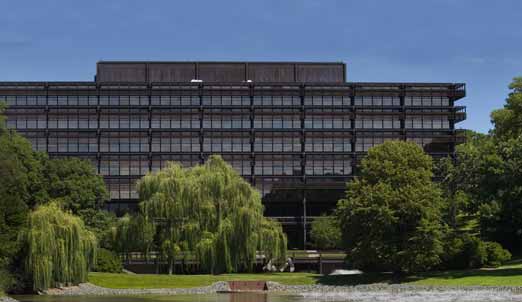
John Deere World Headquarters

Company president William Hewitt wanted a structure that was impressive, yet not overdone.  Well-known Finnish architect Eero Saarinen was approached to design a new headquarters.  (Saarinen also designed the St. Louis arch and a home in Columbus, Indiana for Irvin Miller, the chairman of Cummins, Inc.)

Work was completed in 1964.  The stunning new building won several architectural awards, including two from the American Institute of Architects.

As you drive up a winding lane toward the headquarters, you see a dark, rugged-looking structure with horizontal lines.  The construction material is a type of weathering steel which gives the buildings an earthy look as it oxidizes over time.

DSC_9256

The outside might be subdued, but inside the building, everything shines – the floor, the windows, and the sophisticated equipment.  There’s a display area for the public to learn about John Deere products and history.

We were greeted on the exhibit floor by Don, a friendly and knowledgeable host.  You’re invited to sit on the various pieces of equipment and look them over.  The seats are comfy, and the cabs are filled with the latest technology. We were told that if a customer needs a piece of equipment and the only one available is the display model (production can take three to eight weeks), company employees will open the shiny doors and let the buyer take the tractor, combine, or whatever it is.
DSC_9245

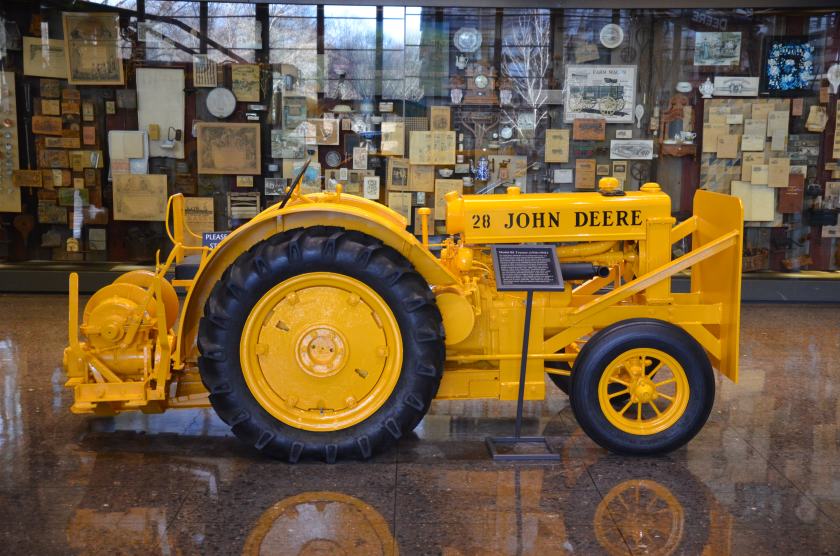
There’s interesting old machinery to learn about, too.  The tractor below is a cut-away model that was used to educate ag students and mechanics.  Certain areas of the exterior metal are removed to see the engine parts and how they work.

DSC_9250

After visiting the world headquarters, you can take a drive around town to see where various Deere family members lived.  Two of the homes are open for tours.

IMG_1609
Red Cliff, c.1870

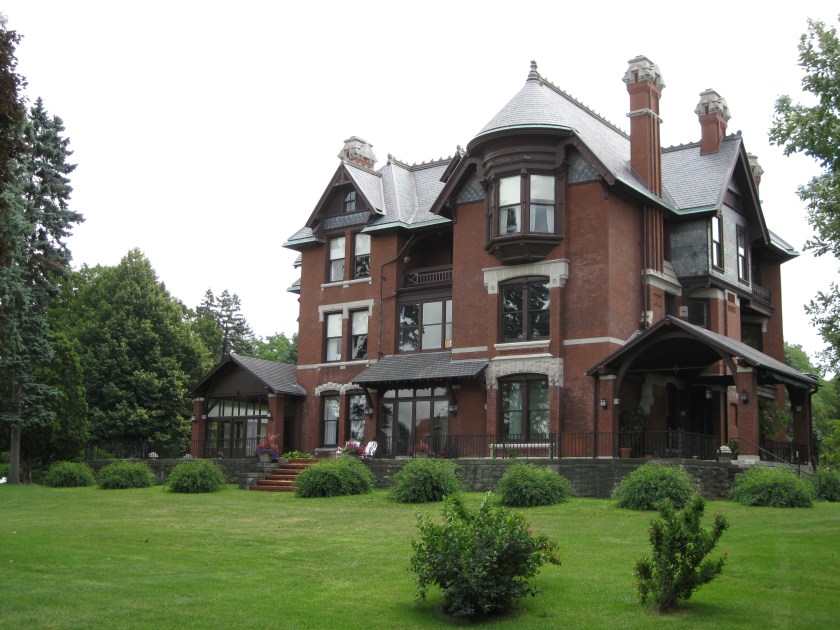
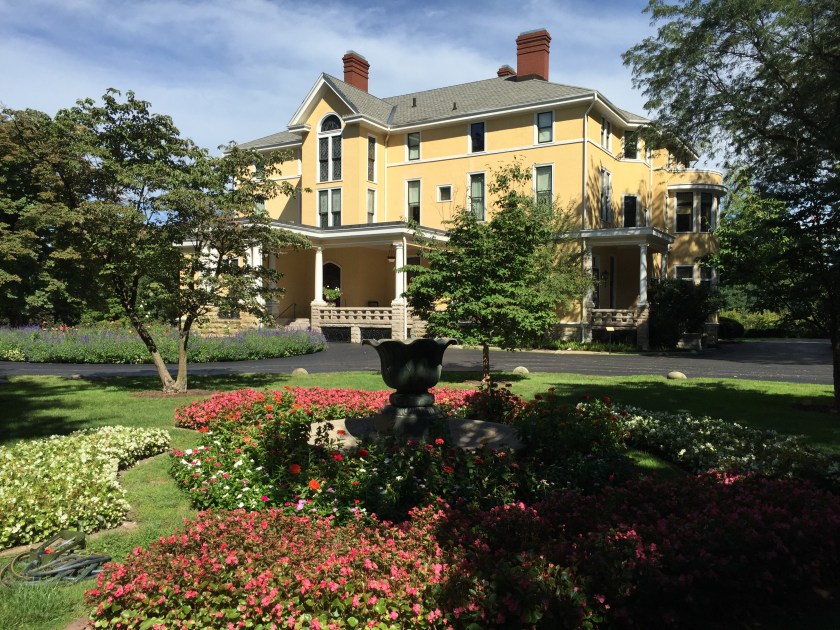
John Deere’s Moline house, named Red Cliff, is located on 11th Avenue.  It sits on a bluff overlooking the Mississippi River.  The property was sold out of the Deere family in 1933.
IMG_1527
Overlook, 1872 – now the Deere Wiman Home

John Deere’s son, Charles, ran the business operations of the company for forty-six years.  He and his wife, Mary, built Overlook in 1872.  Today you can tour the house and beautiful gardens.

DSC_5172b
Butterworth Center- originally named Hillcrest, 1892

Right across the street from Charles’ estate is the Butterworth Center, where Charles and Mary’s daughter, Katherine Deere Butterworth, lived with her husband and children.  It’s open to the public, too.
IMG_1597
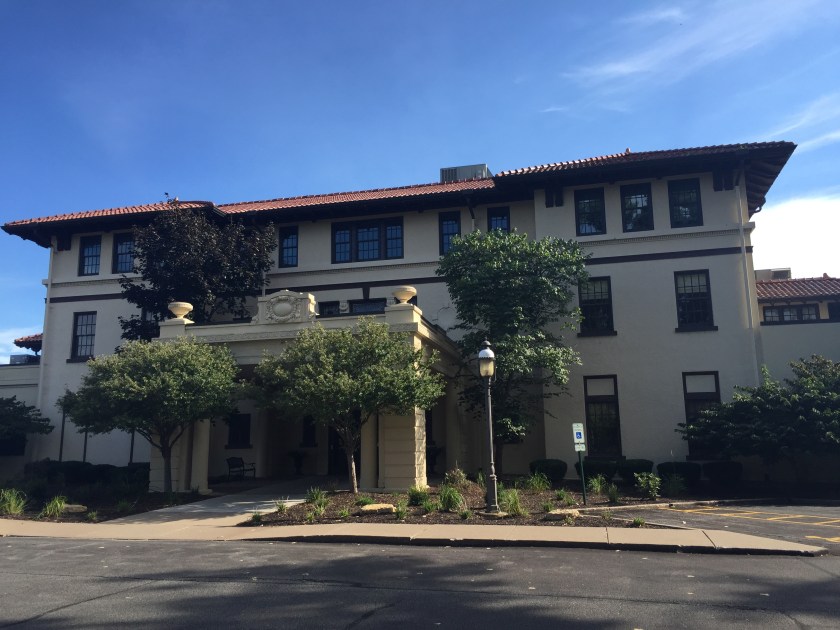
Villa Velie, 1912

One of the grandest Deere homes belonged to William L. Velie, a grandson of John Deere.  Velie worked as an executive for Deere and Company and also founded Velie Motor Company. He produced early automobiles and later airplanes.  In 1912 Velie and his wife, Annie, built this palatial house of 42 rooms.  It was inspired by Italian villas the couple saw while traveling through Europe.  In later years the home was a restaurant.  Today it is the location of QCR Holdings and a branch of Quad City Bank and Trust.

John Deere and Company and Deere family members have left their mark in Moline, Illinois.  It’s an enjoyable experience to take in the sites and history.


Mason City, Iowa

What puts Mason City, Iowa on the list of places to see? . . . Seventy-Six Trombones and a hotbed of architecture!

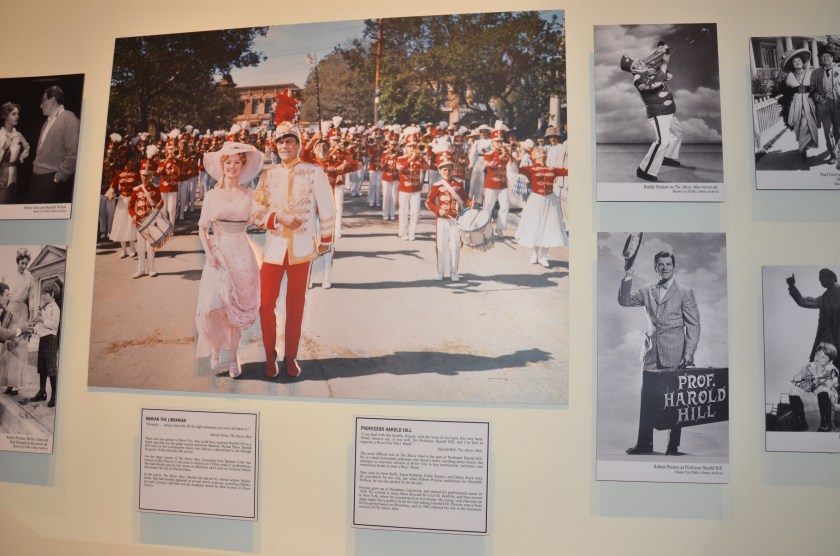
Mason City, located in northeastern Iowa, is the hometown of “The Music Man” composer Meredith Willson.  He based the musical’s fictional River City on his experiences growing up in Mason City.

DSC_5451

DSC_5386


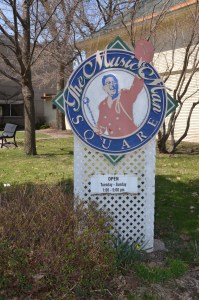
To learn more, I visited Music Man Square, a complex in downtown Mason City that is all about Meredith Willson.  It features a River City streetscape, meeting and activity rooms, and a museum that celebrates Willson’s life.  There’s a lot to see.


DSC_5428

DSC_5447
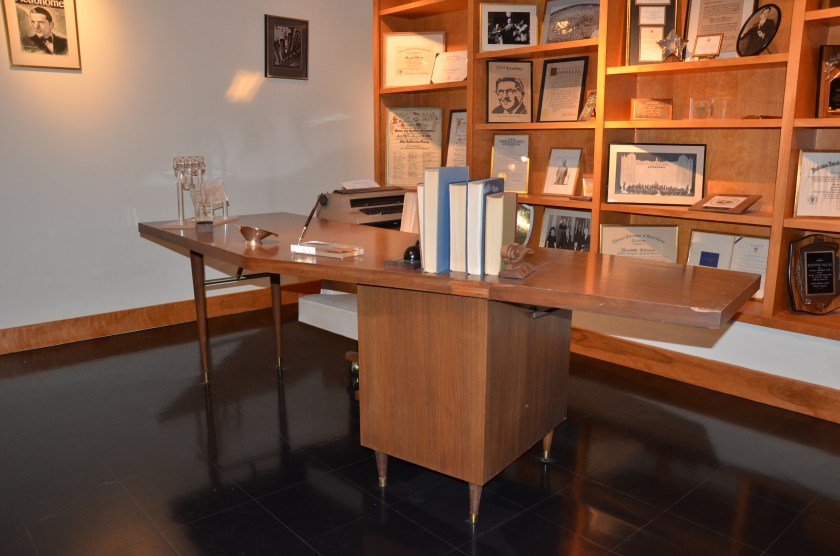
Furniture and items from Meredith Willson’s California office

DSC_5430

DSC_5427

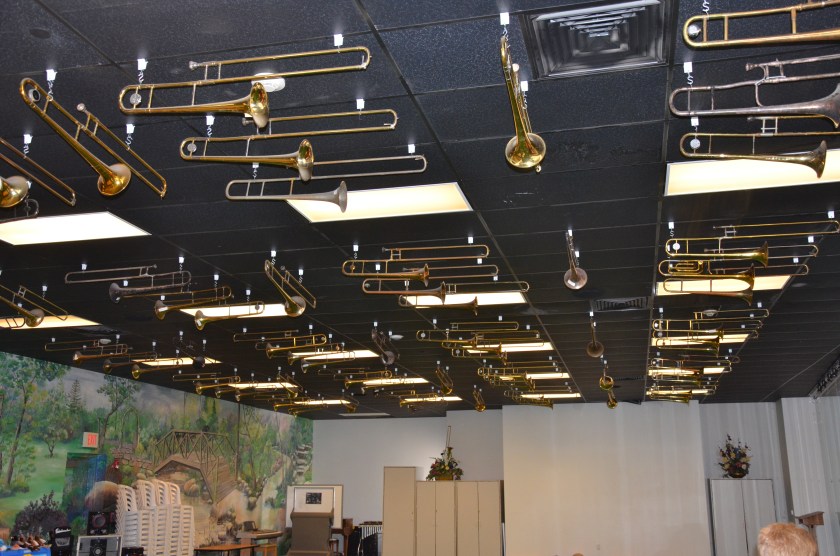
In a nod to the popular song, one room showcases seventy-six trombones suspended from the ceiling.  Our guide told us that they put out a request for donations of trombones and received over 120.  She also said they periodically bring the trombones down and play them.

DSC_5388

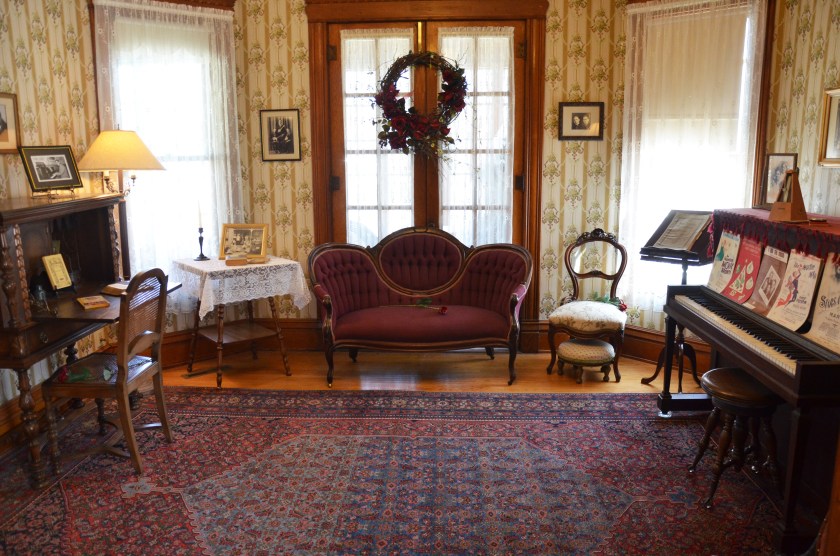
Right next door to the Music Man Square is Meredith Willson’s boyhood home, which is part of your tour.  It’s a cozy 1895 house with family memorabilia scattered throughout.

DSC_5398b

Willson lived in Mason City for seventeen years before leaving to study music at the Julliard School in New York.  He toured with John Philip Sousa’s band for a couple of years and then moved to California where he lived the rest of his life.  But he returned to his hometown many times, usually for the annual North Iowa Band Festival.

Along with “The Music Man” fame, Mason City is also well-known for its architecture.  In 2012, Conde Nast Traveler named it among “the World’s 14 Best Cities for Architecture Lovers.”  That’s because it has the largest collection of Prairie-style homes in one geographic area.

At the top of the list are two Frank Lloyd Wright designed buildings: the Historic Park Inn Hotel and the Dr. George C. Stockman House.

DSC_5519b

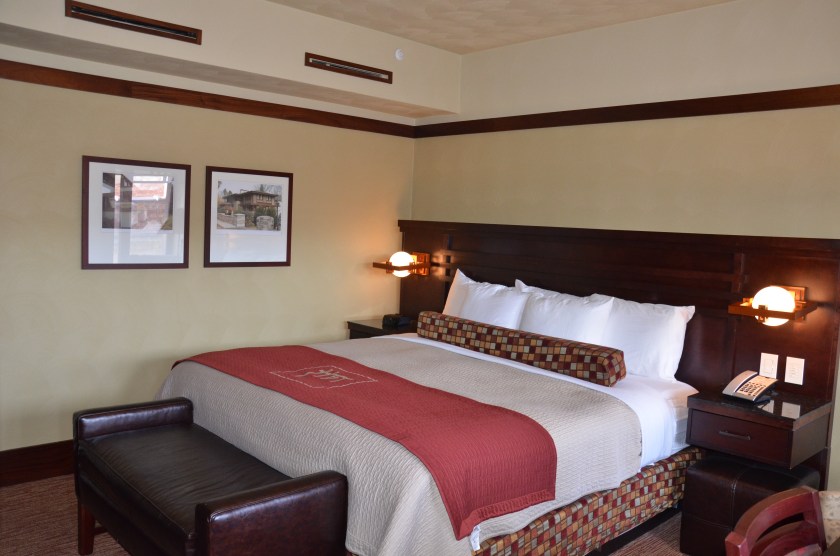
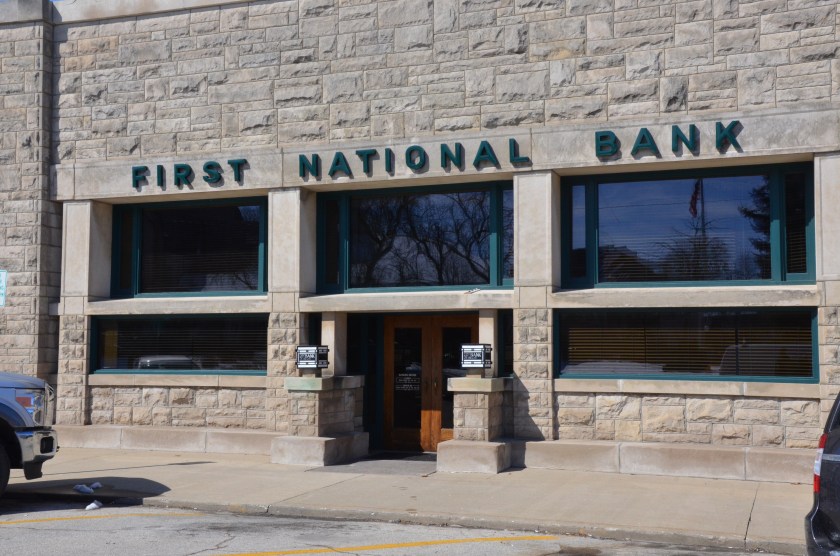
The Historic Park Inn is the last remaining hotel designed and built by Frank Lloyd Wright.  It opened in 1910 as part of a business block that included the First National Bank, law offices, shops, and the hotel.  After falling into steady decline, the building was restored and re-opened in 2011.  It took six years and $20 million to complete the project.

The hotel now uses the entire space.  It’s a great experience to stay there.  The rooms have been nicely restored, and it’s a pleasure to just wander around the building and take in all the Frank Lloyd Wright details.  There’s a guided tour if you prefer the official story and walkabout.

DSC_5507

DSC_5509

DSC_5475

IMG_0739b

Be sure to dine at the 1910 Grille, located at the west end of the hotel building.  It’s an upscale place with delicious food.

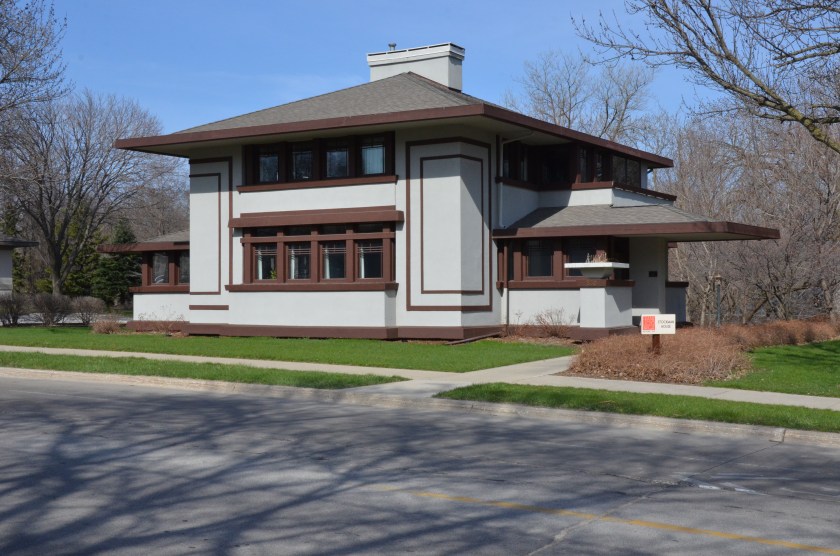
While Wright was in town for the hotel project, he met Dr. George Stockman, a local physician. Wright was hired by Dr. and Mrs. Stockman to design a new home for them.  The resulting house was based on a plan of Wright’s Fireproof House for $5,000, which was published in the April 1907 issue of the Ladies’ Home Journal.

DSC_5458

The Stockman’s home was moved from its previous location to its present site in 1989.  (the Methodist church next door needed a parking lot.) After its move, the house was restored and opened to the public for tours.

DSC_5710


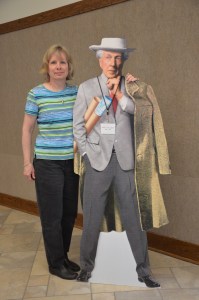
Behind the Stockman House is the Robert E. McCoy Interpretive Center with displays about Prairie architecture.    There’s also a nice little gift shop with Frank Lloyd Wright-ish items.  You can get a photo with Frank, too!


Right across the street is the Rock Glen and Rock Crest neighborhoods.  That’s where you’ll find all the Prairie-style houses.  Pick up a self-guided walking tour booklet for $5.00 at the Interpretive Center and you’re all set.  It’s best to walk the neighborhood, rather than drive, so you can see the properties up close.

DSC_5703
Joshua Melson House (street view)
1.  VIEW FROM NORTHEAST - Joshua G. Melson House, 56 River Heights Drive, Mason City, Cerro Gordo County, IA
Joshua Melson House ( back of house)           Library of Congress photo

In 1912, owner Joshua Melson felt obliged to keep a light on his home’s construction site all night as it was being built at 56 River Heights Drive.  Townspeople had a great interest and liked to gather at all hours on the nearby State Street Bridge for a look.  It was nicknamed “the Castle.”  In 2004, the Melson House was selected by the Iowa Chapter of the American Institute of Architects as one of the 50 most significant structures built in Iowa during the 20th century.  The architect was Walter Burley Griffin.

DSC_5700b
Curtis Yelland House

Frank Lloyd Wright designed the Park Inn/ First National Bank building, and construction began in 1909.  About that time, Wright somehow thought it was a good idea to leave his wife and 6 kids and run off to Europe with the neighbor’s wife.  Wright’s assistant, William Drummond, ably finished the hotel project and picked up the commission for this house at 7 River Heights Drive as a bonus (pictured above).

DSC_5686b
James Moore Home

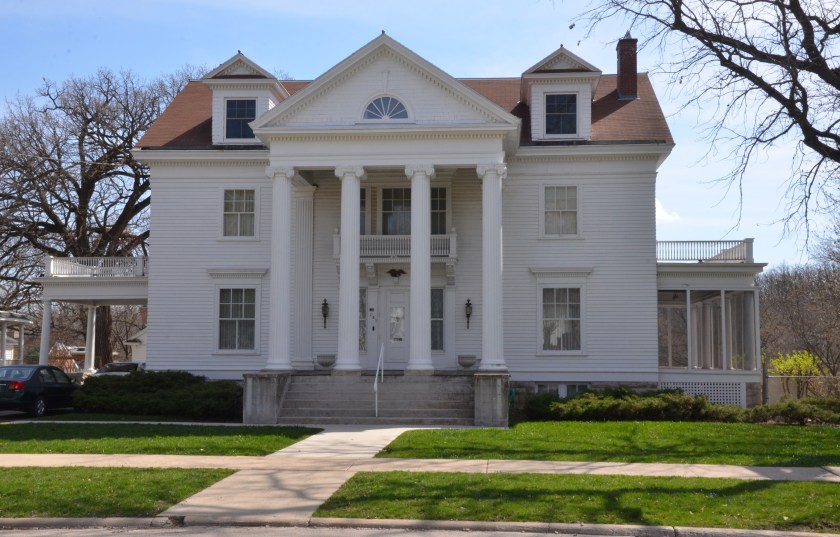
It’s not all Prairie style in the neighborhood – this Neo-Classical Revival can hold its own amongst the Wright-inspired houses.  It was built for James and May Moore, who named their property “Stonyacre.”

DSC_5706


For another fun walking tour, take the self-guided stroll of Mason City’s public art.  You can find the map on your computer – just look for River City Sculptures on Parade.

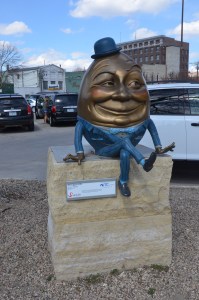
At the left is Mr. Eggwards, a favorite in town.


DSC_5383
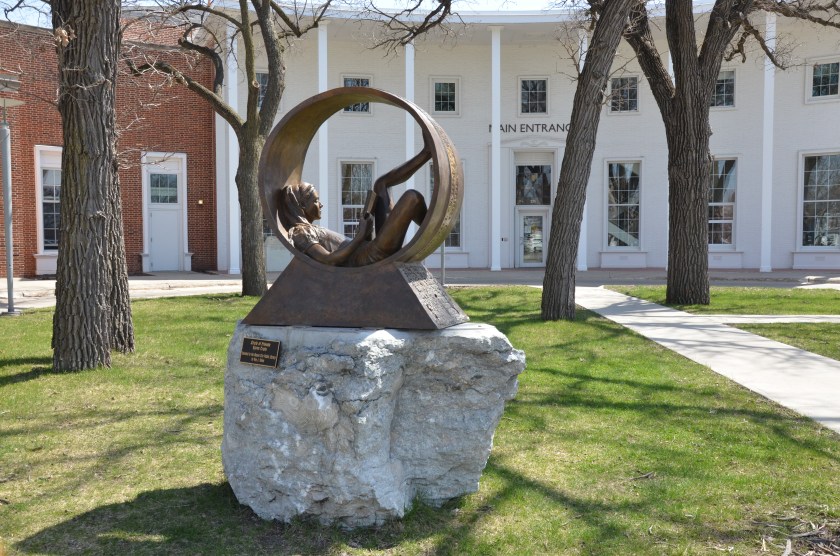
Mason City Public Library

So whether it’s music history, art, or architecture, you’ll enjoy culture on the prairie in Mason City.  Your Memorable Moments Await!


Covered Bridges

dsc_8593
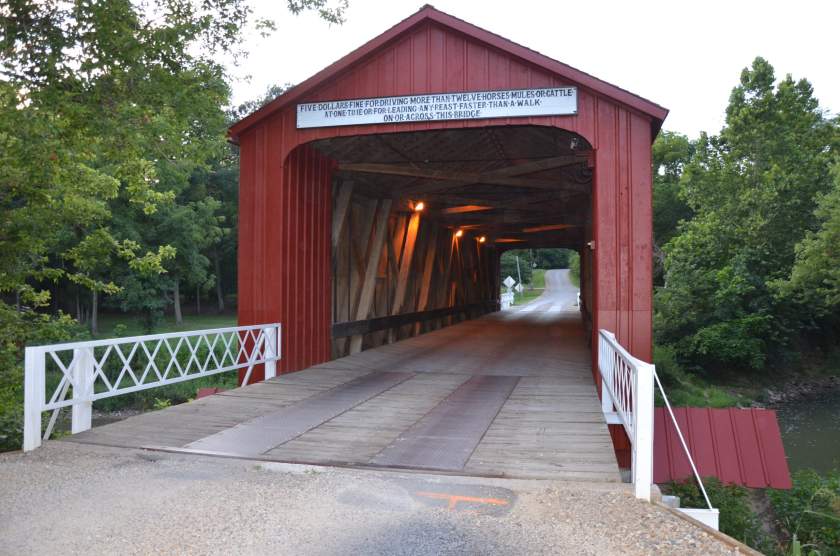
Red Covered Bridge, Princeton, Illinois (1863)

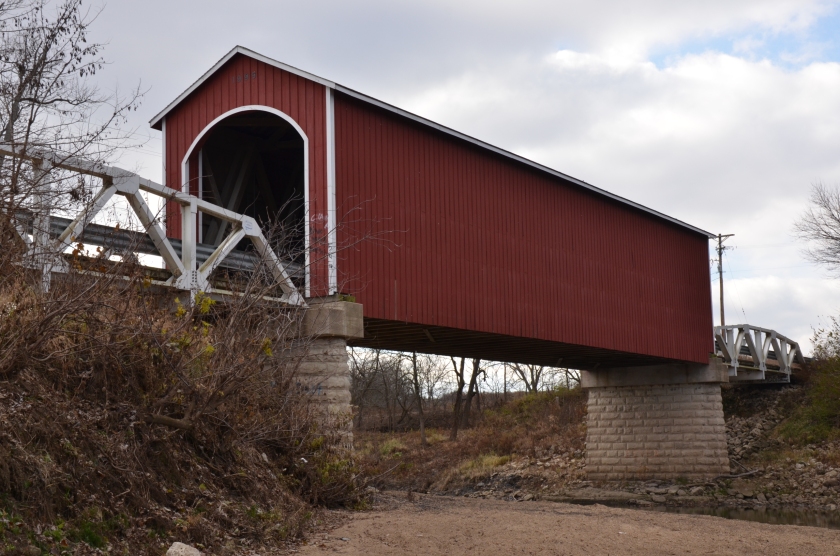
I live in a town that has two covered bridges – one that’s old and one that’s new.  I really enjoy these historic structures, so I look for covered bridges in other communities as I travel around.  Each one is unique, and it’s interesting to see all the different examples.

There’s a variety of stories on why a covered bridge was originally built.  Some say that horses and cattle did not like crossing an open bridge where they could see and hear rushing water.  The bridges were covered, and entrances were made to look like a barn.  The horses and livestock were then more willing to enter and make the crossing.

But most agree that the real reason for a covered bridge was to protect the structure from the ravages of weather.  They have an elaborate wooden truss system that deteriorates rapidly if exposed to rain, wind, and sun.  Compare the life span of an open bridge – about ten years – to that of a covered bridge – at least ten times longer.

The secret to a covered bridge is the truss system, which carries the weight.  There’s several variations on this basic style of support.  Some are named for the person who designed the system.

img_8564-edited

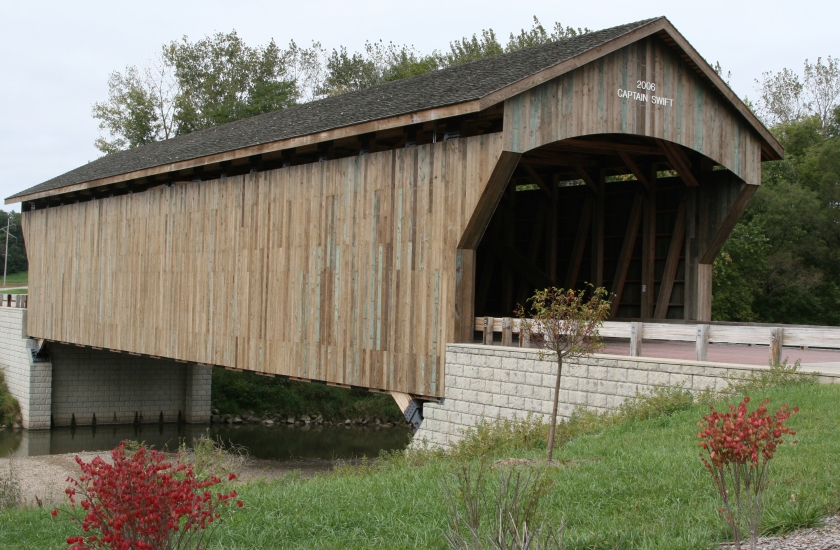
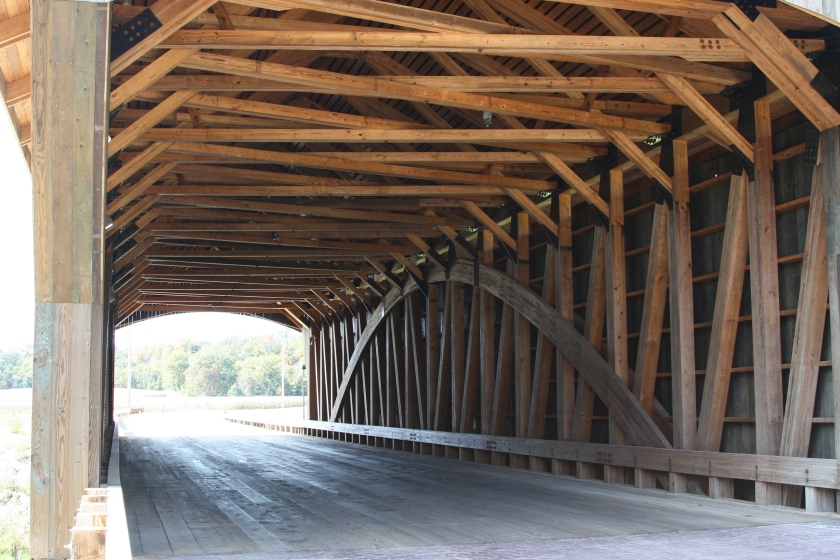
The Captain Swift Bridge in Princeton Illinois incorporates the Burr arch design.  This truss system was invented by Theodore Burr and patented in 1817.  The design uses a long arch on each side.  While this bridge looks old, it was built in 2006.

img_5552

A few other bridges to visit . . .


dsc_1928

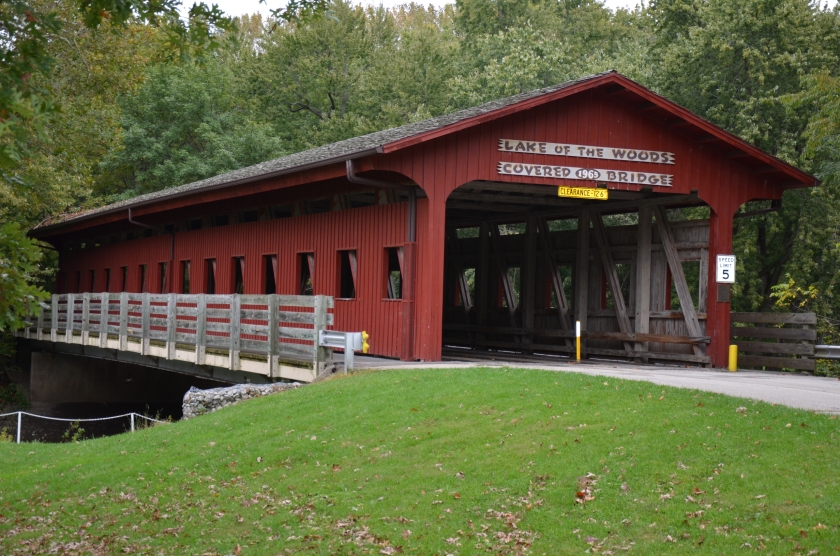
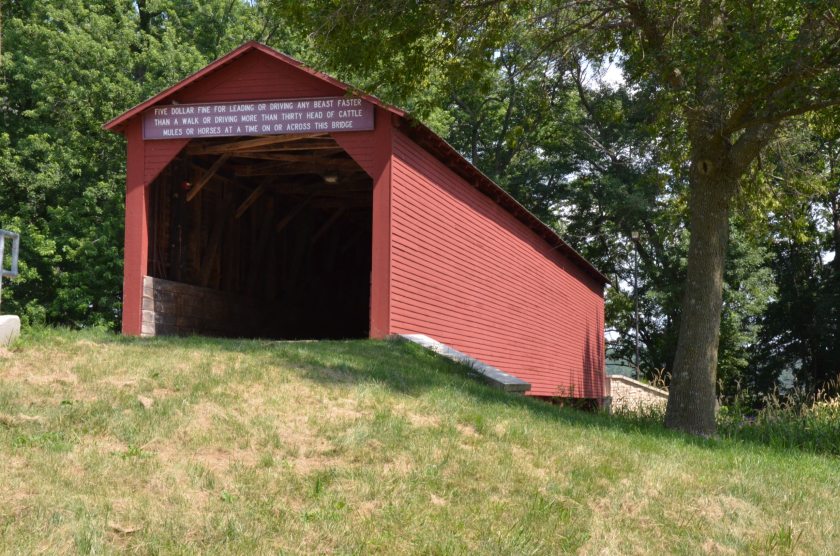
Lake of the Woods (1965) covered bridge is in Mahomet, Illinois, in south central Illinois.  I like the retro-looking sign over the entrance.

dsc_8564b

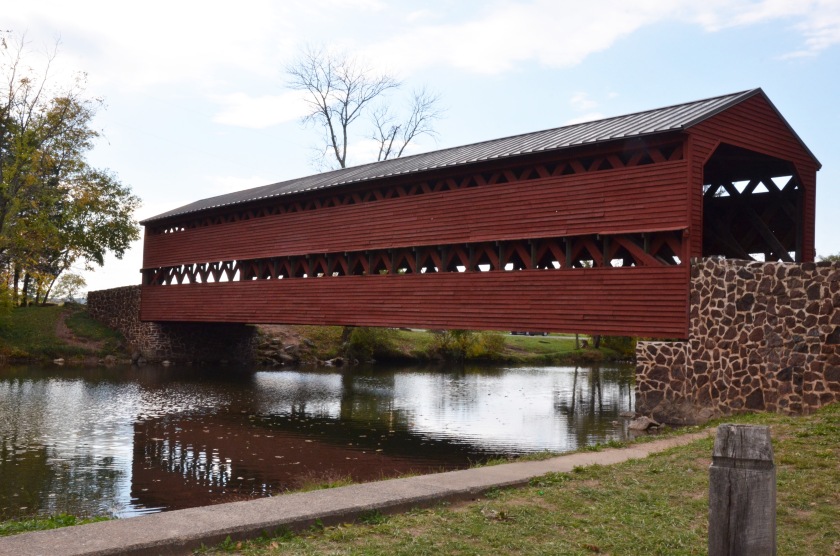
Sachs Covered Bridge (1852)   Located in Gettysburg, Pennsylvania, the Sachs bridge was used by both Union and Confederate troops during the battle of Gettysburg in 1863.

dsc_9317

Morrison Covered Bridge (2001) is new construction.  It was built over Rock Creek in northwest Illinois.

dsc_9499

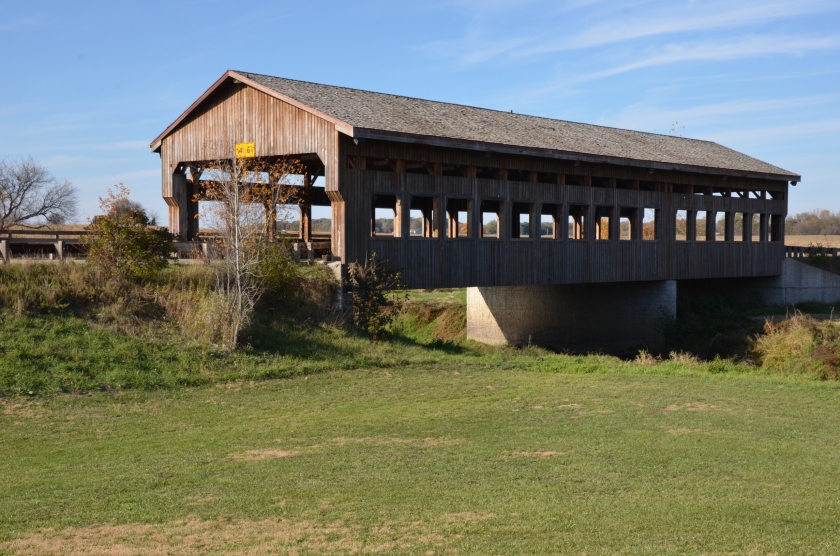
Wolf Bridge (1999) is an historic reproduction.  The original Wolf bridge was built in 1840 as an open bridge, and covered in 1874.  It was burned in 1994 by arsonists, but rebuilt and reopened in 1999.  The new Wolf Bridge is taller and wider than the original to better accommodate modern traffic.  It’s in Knox County, Illinois, near Galesburg.

img_3551
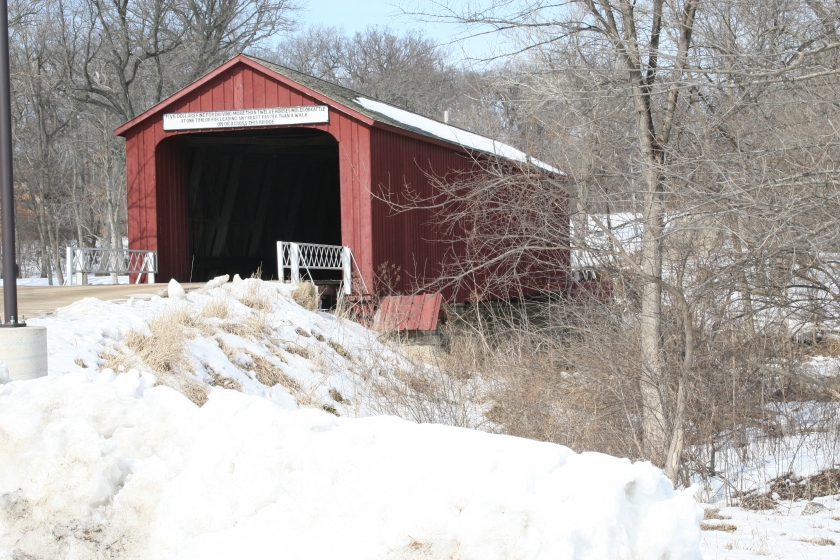
Red Covered Bridge, Princeton, Illinois (1863)

Covered bridges are attractive in the winter months, too.  And here’s an interesting bit of history:  when sleighs were the mode of winter transportation, snow had to be shoveled on to the bridge floor to make a snowy surface for the sled runners.

rcb-sign-on-top-oct-07

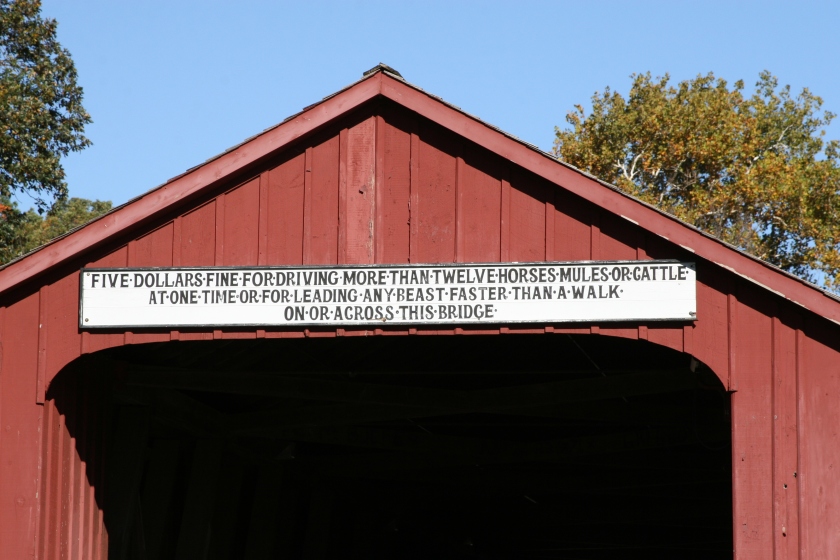
Some of today’s covered bridges still have the original “warning” signs posted above the entrances.  Why was that necessary?  Experts say the pounding rhythm of horses’ hooves, trotting in step, could cause stress and structural damage to the bridge.  For that same reason, Civil War soldiers were required to break cadence when crossing through a covered bridge.

dsc_7966

Henderson County Covered Bridge (1866) is in Oquawka, Illinois. Today it’s pedestrian only.

Covered bridges are wonderful reminders of by-gone days.  If you find one in your travels, be sure to admire the craftsmanship inside as well as the structure and setting outside.  Hats off to our ancestors for their ingenuity!


Mount Rushmore

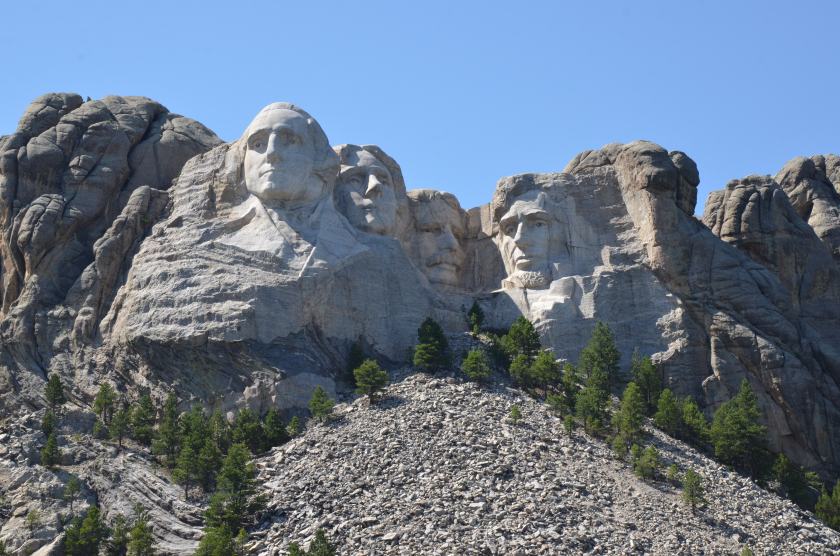
If you’re making plans now for a summer vacation, you might want to consider a trip that includes a stop at Mount Rushmore in South Dakota.  It’s a spectacular monument!

dsc_6741

Gutzon Borglum was the sculptor who carved Mount Rushmore.  He wanted to honor our nation and chose four presidents who “contributed to the essence of democracy.”  George Washington represents the birth of America; Thomas Jefferson, growth (Louisiana Purchase); Theodore Roosevelt, development (Panama Canal, trust busting); and Abraham Lincoln, preservation of the country during the Civil War years.

Borglum started work on Mount Rushmore in August 1927.  Unfortunately, he died in 1941, just before the work was completed, and his son, Lincoln, finished the monument seven months later.

img_1368

Washington is the most prominent sculpture in the group.  You can also view his profile if you drive behind the monument.  The perspective is unique and interesting.

It’s worth staying overnight in the area to see the Evening Lighting Ceremony.  The program includes a presentation by a park ranger, a video about Mount Rushmore, and the dramatic lighting of the monument. The ceremony concludes with the introduction of veterans in attendance who are then asked to help retire the flag for the day.  It’s all very patriotic and moving.

p1010270

Even if you went there as a child with your parents, go back to Mount Rushmore and see it again as an adult.  You won’t be disappointed!

Bonus Stops:

Corn Palace

dsc_6700

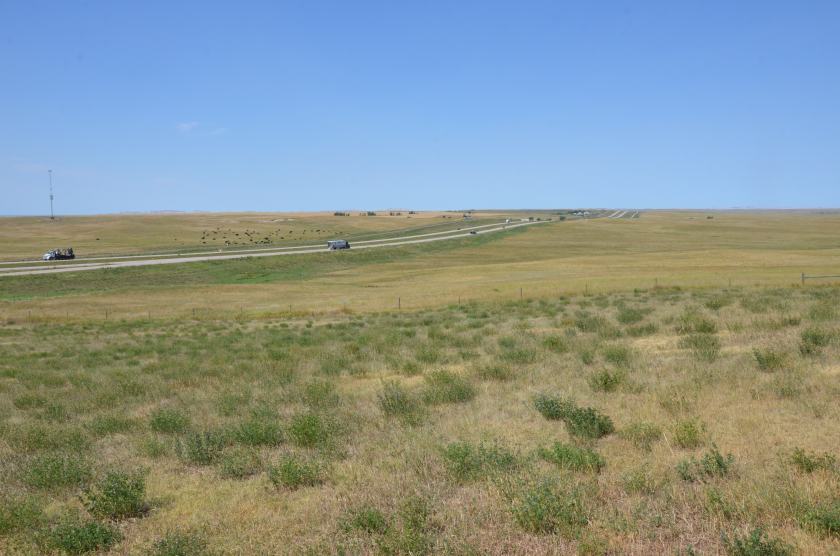
If you’re headed to Mount Rushmore from the east, on I-90, be sure to stop at the Corn Palace in Mitchell, South Dakota.  It’s been a tourist attraction since 1892 and today has about 500,000 visitors a year.

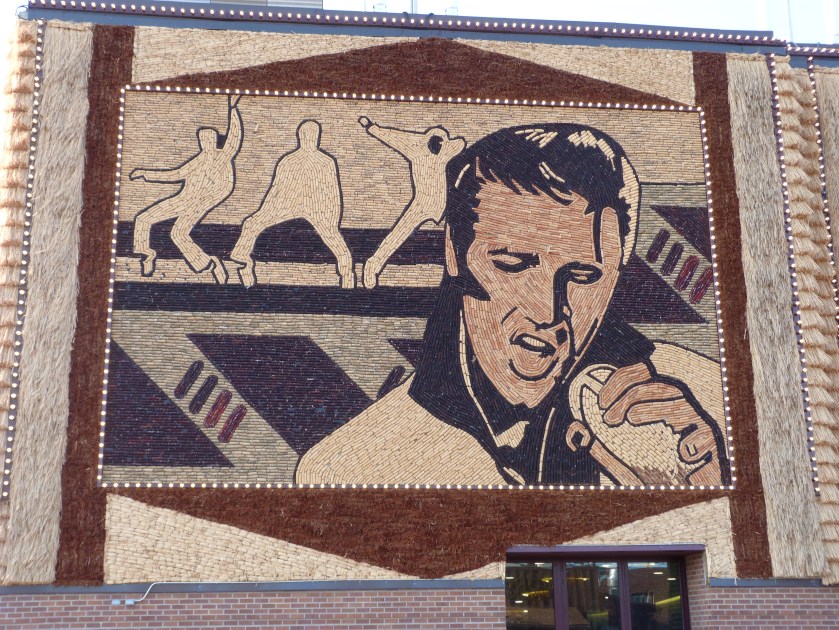
The exterior walls of the Corn Palace are decorated with murals made from corn and grasses.  A local artist designs the murals with a different theme each year, and in late-August and into September, (as the crops are ready for harvest) a team of about 20 workers changes them out.  This year the theme was music legends.

p1010264

It was amazing to see.  Growing up on a farm in Illinois, the most creative thing we did with corn was tie up a shock for decoration in the fall, or craft an animal from the stalks.   But here on the sides of the Corn Palace was Willie Nelson and Elvis, fashioned entirely out of ears of corn.  It’s called crop art.

dsc_6709

Inside, the Corn Palace is an impressive facility and well-maintained.  They have a gymnasium for the Mitchell High School Kernels and Dakota Wesleyan University Tigers basketball teams (the murals on the gym walls are also made of corn), a gift shop, children’s activity area, and concert and banquet rooms.

Wall Drug Store

dsc_6721

Continuing your travels on I-90, Wall Drug Store is another fun stop.  It’s about an hour from Mount Rushmore.

You’ll see signs along the highway advertising the business miles before you actually get there.  The drug store has been going since 1931.  It started out as just a small pharmacy, but now it’s grown to a full city-block tourist mall.

What put Wall Drug Store on the map was the offer of free ice water.  When the drug store opened in the Depression years, business was slow, so the owner’s wife suggested offering free ice water to the travelers heading West.  In the days before air conditioning, it was a big hit.  Today you can still get free ice water, but as you would guess, it’s not the main attraction anymore.

img_1341

Walking through the many rooms, you’ll notice it’s a high-low place – handsome Stetson hats and expensive cowboy boots in one area, and China-made souvenirs in another.  Western props, like Annie Oakley, are stationed in hallways between shops. Amongst it all there is still an actual drug store!

dsc_9237


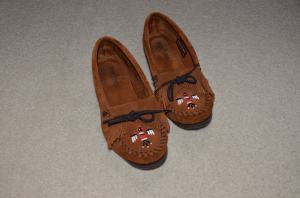
I found Minnetonka moccasins in the shoe department.  I used to wear them as a kid and bought a pair for memories’ sake – the same Thunderbird style of years ago.  I love wearing them again.

You’ll enjoy a visit to the state of South Dakota, from the Mitchell Corn Palace to Wall Drug Store, Mount Rushmore, and all the open country in-between.

dsc_6719


The Winter Get-Away

img_1452

Today’s post features an important aspect of travel in the Midwest – that of seeking a warmer climate in the cold, winter months.  You’ll want to participate in this long-standing tradition.  A visit to the tropics in January or February revives your spirits and has you looking forward to spring with renewed hope.

In the farming community where I grew up, a winter get-away was built into the calendar, right along with spring planting and fall harvest.  It was a reward at the end of each growing season for a job successfully completed.   So after the holidays were celebrated and the Christmas decorations packed away, the town emptied out for a few months. The most popular vacation state was Florida.

florida-postcard

As winter came to an end, the return home was exciting, too.  There was bounty to share – bags of oranges and grapefruits, carved coconut heads, straw purses, and knick-knacks made with shells.  Farmers met at the local grain elevator to compare suntans and re-live travel adventures.  Then it was time to think about spring planting and begin the cycle all over again.

bob-jan-daytona-beach-1981
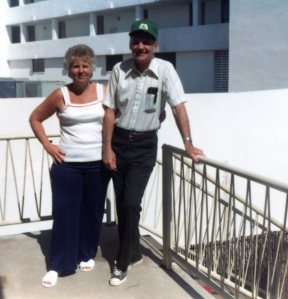
Jan and Bob Larson in Daytona Beach, Florida – 1981

My parents started right off with the farm-to-Florida tradition.  They were getting married in January 1950 and making plans for a honeymoon destination.  An older fellow in town told Dad about a trip he had taken to the South and how impressed he was with the  Atlantic Ocean.  Mom and Dad had never traveled beyond the Midwest.  So on January 15, 1950, the newlyweds set out in their light green Pontiac coupe to discover Florida and the Atlantic Ocean.

Mom liked the drive through the Smoky Mountains with its beautiful scenery. Motel rooms along the way were $5.00 a night.  At one place, there was a kerosene heater in the room that Dad had to light himself.  “It’s a wonder we weren’t asphyxiated!” he’d say.

Mom and Dad both loved Florida and would return again and again over the years.  Dad always said he got to enjoy Spring twice in the same year – once in Florida and later in Illinois when he and Mom returned home.

dsc_0016

While Florida is surely a fine state for a winter escape, I would also recommend heading further south to San Juan, Puerto Rico.  It has a winning combination of warm temperatures, historic sights, and of course, an ocean.  I was fortunate to spend several days there, and really enjoyed the island.

As the name Puerto Rico suggests, its heritage is Spanish; it was a colony of Spain from 1493-1898.  As an outcome of the Spanish-American War in 1898, Puerto Rico was ceded to the United States. Today it’s still a U.S. territory, more formally known as the Commonwealth of Puerto Rico.   Spanish and English are the official languages, and the U.S. dollar is their currency.

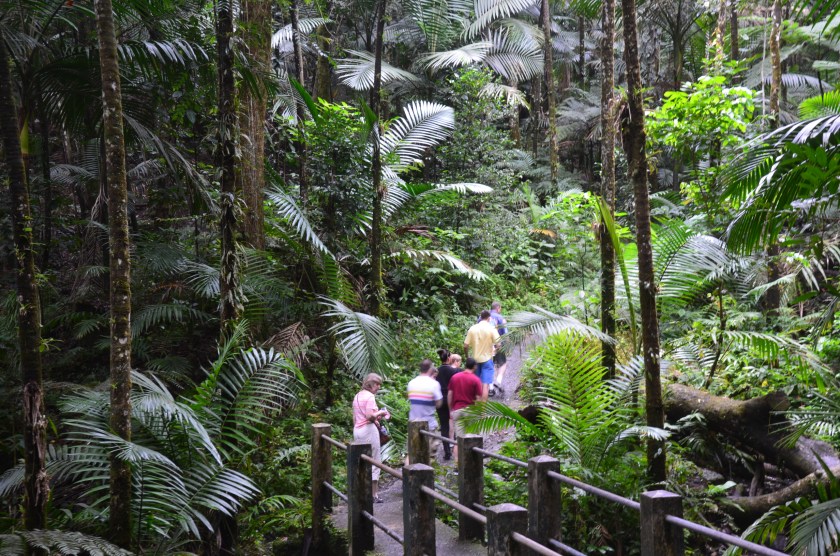
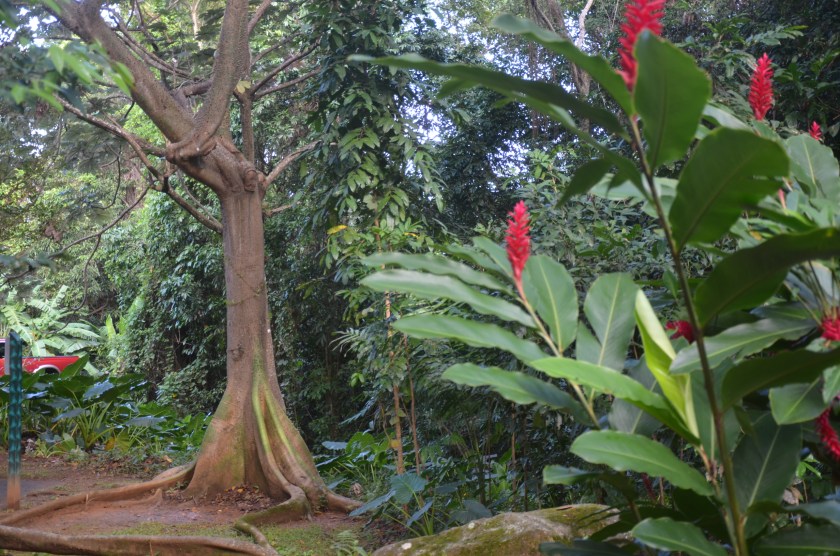
Our resort was next to the El Yunque Rainforest.  It’s the only tropical rainforest in the United States National Forest system and definitely worth a visit.  The trails are well-maintained with lots of interesting plants along the way.  The waterfalls are lovely, too.

img_1493

dsc_9881

dsc_9839

dsc_9908


Puerto Rico Wildlife

img_1461


The most common creatures you’ll encounter on the island are iguanas.  They have a scary, prehistoric look about them, but they’re not aggressive.  They appear to be on the same level as squirrels in the Midwest.  Just like squirrels, iguanas are on the ground and in the trees, and occasionally you’ll see one ironed out on the road.  Nobody gets overly concerned about them.

dsc_2859


Old San Juandsc_0060

Along with the rainforest, be sure to spend some time in Old San Juan.  It’s a popular tourist spot with a variety of things to do – restaurants, shopping, museums, etc.  There’s usually a cruise ship or two at the dock, so you’ll be sharing the cobblestone streets with lots of other vacationers.  It makes for a lively, fun experience.

Among the excellent historic sights:

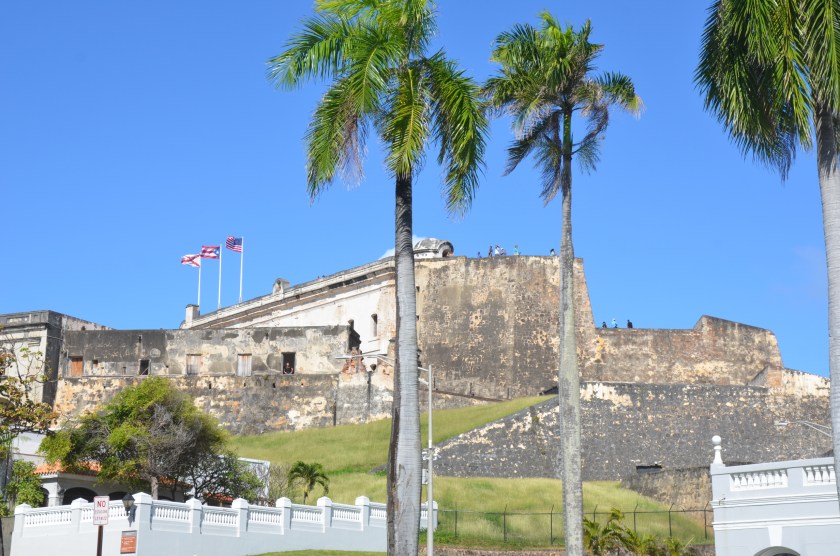
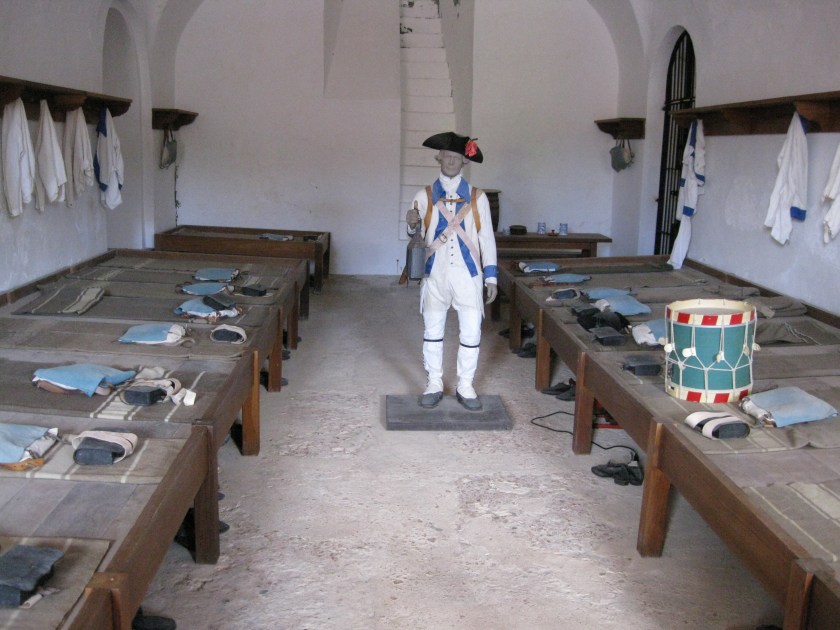
Castillo de San Cristobal was built by the Spanish in 1783 to protect the city of San Juan.  Today it is a UNESCO World Heritage Site.  It’s a chance to wander around in the sunshine and take in the history and views.  Displays throughout the fort are nicely done.

dsc_0096

dsc_0005


img_1523

dsc_0024

The sentry box was used by watchmen who were guarding the seashore.  They’re an iconic symbol for Old San Juan.

Cathedral of San Juan Bautistadsc_0057

dsc_0070
Ponce de Leon tomb

The Cathedral of San Juan Bautista is one of the oldest buildings in San Juan, dating back to 1540.  It contains the tomb of Spanish explorer Juan Ponce de Leon (the guy who was looking for the Fountain of Youth.)


Capitol of Puerto Rico

dsc_9948

While you’re in the area, you’ll want to see the Capitol of Puerto Rico.  It’s located on the edge of Old San Juan.  The handsome, Classical Revival building was completed in 1929.  Architects competing for the project were instructed to choose materials suitable to the island’s tropical climate.  As a result, there’s lots of granite and marble throughout the building.  Ceiling murals and mosaics depict Puerto Rico’s rich history.
dsc_9979

dsc_9973


And the ocean . . .

dsc_9737

Besides the warm temperatures, we Midwesterners also want to experience the beach and water.  Our resort and adjacent properties offered long stretches of sandy beach to walk and enjoy the rolling waves of the Atlantic Ocean.  It’s all the better when you know it’s snowing and below zero at home!

dsc_9808

Bon voyage!  Best wishes for a fun and relaxing winter get-away!

Chicago, Illinois

img_0381

I love traditions, especially those involving the Christmas season.  So on my list each year is a visit to Chicago to see the decorations & sights, do some shopping, and enjoy great food.

I start in the Loop area at Macy’s State Street store (formally Marshall Field’s) to look at the windows and tree.  Each year the store front windows are decorated to tell a story as you walk from one window to the next.

dsc_6983

dsc_4269


Upstairs in the 7th floor Walnut Room, you’ll find the stunning 45-foot Great Tree.  Take the escalator up to the next floor, and there’s a viewing and photo area. It’s always been a tradition of ours to take a family picture with the Great Tree in the background.  In the early photos, my sons are dutifully standing in front, but now as grown men, they tower over me on each side.


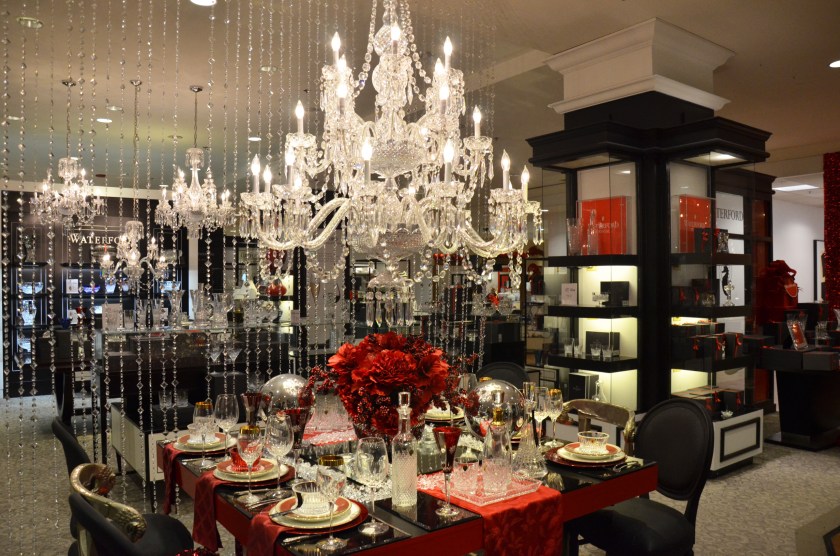
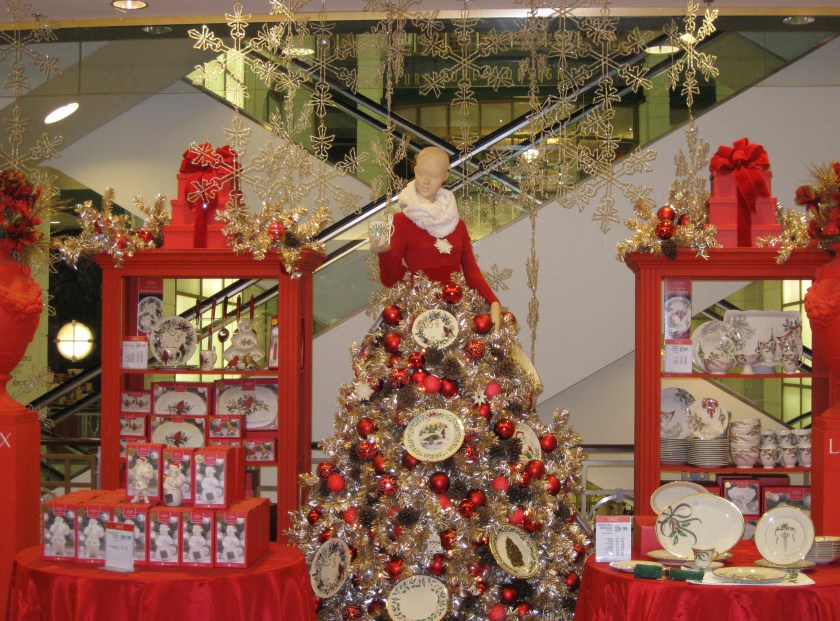
dsc_2471edit While you’re in Macy’s, be sure to stop on the 6th floor to see the dazzling displays in the china department.  The over-the-top settings will inspire you to set a grand table for your family on Christmas Day.

img_1084-edit

dsc_7011

dsc_4265edit

A holiday visit to Chicago wouldn’t be complete without lunch at The Berghoff.  You’ll enjoy the traditional German food – weiner schnitzel, saurbrauten, just to name a few.  Finish it off with a holiday dessert like white chocolate mousse with raspberry sauce or an individual-sized yule log.

img_0814

dsc_2507

After lunch, if you walk down Adams Street toward the Lake, you’ll come to the Art Institute, another stop on the holiday circuit.  The famous lions at the Michigan Avenue entrance always sport festive wreaths during the holiday season, so it’s a good place for a selfie or a regular photo.

dsc_2513

Inside, be sure to see the 18th-century Neopolitan crèche.  The Art Institute acquired this magnificent work in 2013, and it’s now a popular holiday feature.  There’s something like 200 figures staged in a handsome Baroque cabinet.  It’s larger than I expected and takes up the entire wall of its display room.

dsc_2518edit

In the lower level of the building are the Thorne Miniature Rooms, with several of them  decorated in tiny style for Christmas.

img_0769


Just a few blocks away from the Art Institute, the Christkindlmarket in the Daley Plaza is a fun place to visit and shop.  It’s based on the 16th-century holiday markets of Nuremberg, Germany.  Cheerful, wooden lodges are manned by native Germans selling strudel, glass ornaments, nutcrackers, and lots of other wares.  For an afternoon pick-me-up, try some gluhwein, a hot spiced wine.  Each year there’s a souvenir mug available that only costs a couple of extra dollars.


dsc_2484

img_0775edit

Another enjoyable stop is the skating rink at Millennium Park.  You can watch the ice skaters glide around or rent a pair of skates and join them.

dsc_6953edit

There’s lots of places to stay overnight in downtown Chicago, and one of my favorites is the Palmer House.  It’s a beautiful, historic hotel dating back to 1873.  You can walk to all the sights mentioned in this post.  Even if you’re not planning to stay there, enjoy a stroll through the lobby and other public areas to see the holiday decorations.

Whether it’s in Chicago or another city that’s special, I hope you’ll enjoy annual holiday traditions with family and friends.  Merry Christmas and Happy New Year!


Galena, Illinois

Mention to friends that you’re going to Galena, Illinois, and they smile and nod their approval. It’s one of those places we all love to visit.  Galena is my #1 favorite small town in the Midwest.

DSC_5930

Lead mining put Galena on the map in the 1820s.  Back then, the population was 10,000. (Today it’s around 3,500.)  Later the city became an important steamboat hub, and by the late 1850s, the population had increased to 14,000.   Then Galena started to decline and languished for decades until it was rediscovered by tourism in the 1980s.

Today Galena is a popular destination with a million visitors a year.  Since 2004, the community has received numerous awards from travel publications including Conde Nast, Forbes, and Midwest Living.

DSC_5853edit

I always look forward to the drive to Galena.  Within a couple of hours, the scenery changes dramatically from flat corn and soybean fields to rolling hills and valleys. A visitors’ guide for nearby Elizabeth, Illinois announces, “Your vacation starts with our view . . .”  Yes, indeed!

What to see and what to do

Galena has a whole range of activities so I divide them up into three parts.  My travel companions determine how much I’ll do in each category.

  1. Historic homes and sites

dsc_2212edit

U.S. Grant Home

Over on Bouthillier Street, President Ulysses S. Grant’s Home is a must-see.  The furnished 1860 brick house was presented to General and Mrs. Grant by a group of local citizens in appreciation for his Union victory.   Today, brochures describe the house as furnished with 90% of the pieces that belonged to the family.   Knowledgeable guides will give you an interesting tour.

DSC_5969

Re-enactors carry on the spirit of Grant and his soldiers.

DSC_5950edit

The Belvedere Mansion is advertised as the largest mansion in Galena.  It’s a beautiful house on the outside, but save your money and skip the tour of the inside.  The rooms are full of clutter and most of it’s not appropriate to the home’s 1857 era.

2. Shopping and wine tasting

Galena’s Main Street has been recognized as a favorite for its shops, art galleries and boutiques, and for good reason.  There are over 100 shops located in the restored 19th century store fronts.  Near the flood gates is the Galena Cellars where you can do some wine tasting and buy extra bottles to take home.

dsc_2170


3. Outdoor – hiking, kayaking, and alpine sliding

dsc_2258

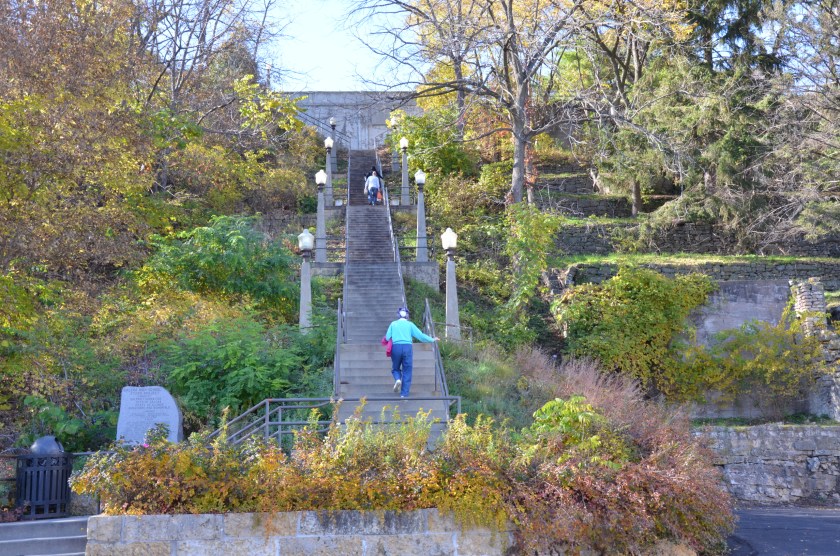
It’s fun to take the challenge of walking up those stairs to the upper streets.  For your efforts you’ll be rewarded with a panoramic view of downtown Galena. (Fitbit later emailed that I had earned a badge for climbing so many steps, an added bonus.)

dsc_2259

Once you’ve made it to the upper levels, stroll around and see all the historic homes.

dsc_2260edit

dsc_2262edit

dsc_2271edit


DSC_5925

The once busy Galena River is now the perfect place to enjoy kayaking, canoeing, or paddle boarding.  Bring your own equipment or rent from the popular Fever River Outfitters.

DSC_2281

Chestnut Mountain Resort is just a few scenic miles from downtown Galena, and there you can do some alpine sliding with the kids.

dsc_2303


Where to Stay and Eat

IMG_0629

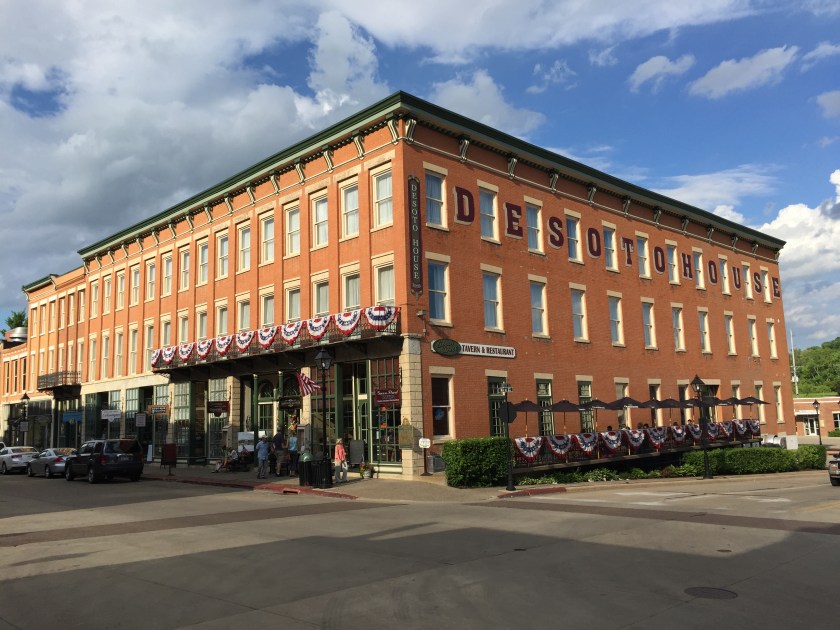
The DeSoto Hotel, located on Main Street, makes the perfect home base for walking to all the sites, shopping, and restaurants.  The DeSoto opened in 1855 and is the oldest operating hotel in Illinois.  Former guests include Abraham Lincoln and Stephen A. Douglas.

IMG_1079


Galena has plenty of restaurants to choose from.  During the warmer months, I enjoy outdoor dining, so a table on the patio at Vinny Vanucchi’s Little Italy is the perfect choice.  I would highly recommend Fried Green Tomatoes, too.


dsc_2227

There’s so much to enjoy in the small town of Galena  – plan to visit soon!

dsc_2244


Bishop Hill, Illinois

dsc_8084

You’ll want to add Bishop Hill to your list of Fall places to visit.  It’s located on the prairie about 55 miles north of Peoria, and looks much the same as it did 160 years ago.

Bishop Hill Colony was founded in 1846 by a group of religious dissenters from Sweden.  It’s a typical immigration story – a leader had the vision for a better life, a scout came over to secure the land, and then the people followed.

Initially, about 1,000 citizens left Sweden to settle in Bishop Hill.  Many died that first winter, but within a few years, the industrious group had built several impressive buildings.

dsc_8138b
Bishop Hill Colony Church

As you would expect, a church was the first building.  The sanctuary was located on the second floor, and a divider separated the men’s and women’s pews, a custom in churches of that era.

The colony was set up as a Utopian community where everyone shared in the work and the proceeds.  In keeping with the promise of equality, the labor of women and children was also valued.

dsc_8155

dsc_8156

Unfortunately, it wasn’t Swedish paradise.   Leader Erik Jansson was murdered after a squabble with his cousin’s husband, and soon there was more trouble in the camp.  New leadership was unsuccessful, so the colony finally dissolved in 1861 after fifteen years of existence.

dsc_8071

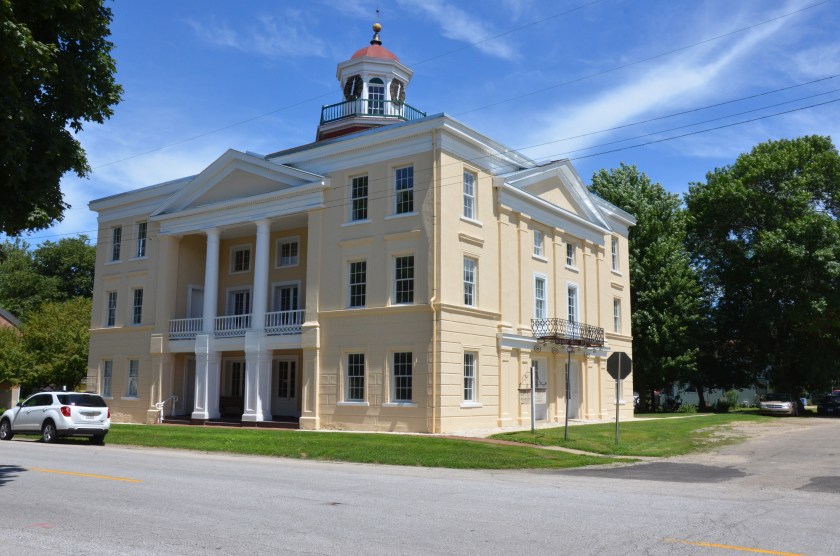
Today the entire village (population 125) is an historic landmark.  The original buildings have been nicely restored and offer shops, restaurants, museums, and homes.  Historic looking signage in front of each structure explains its original purpose, the year it was built, and whether or not it is open to the public.

dsc_3841
Steeple Building

Several buildings in town are now museums where you can learn Bishop Hill’s interesting history.  The 1854 Steeple Building houses the archives for the Heritage Association as well as a museum.
dsc_3818

At the Prairie Arts Center, check out the handmade goods and see demonstrations of broom making, weaving, and pottery making.

img_2530

dsc_2410

img_0505edit

One of my favorite businesses is Peasant Works, located in an 1882 barn called the Poppy Barn.  There you’ll find an eclectic mix of vintage items and handwoven baskets.

dsc_3823
Inside the Poppy Barn

dsc_8086b

dsc_2421b

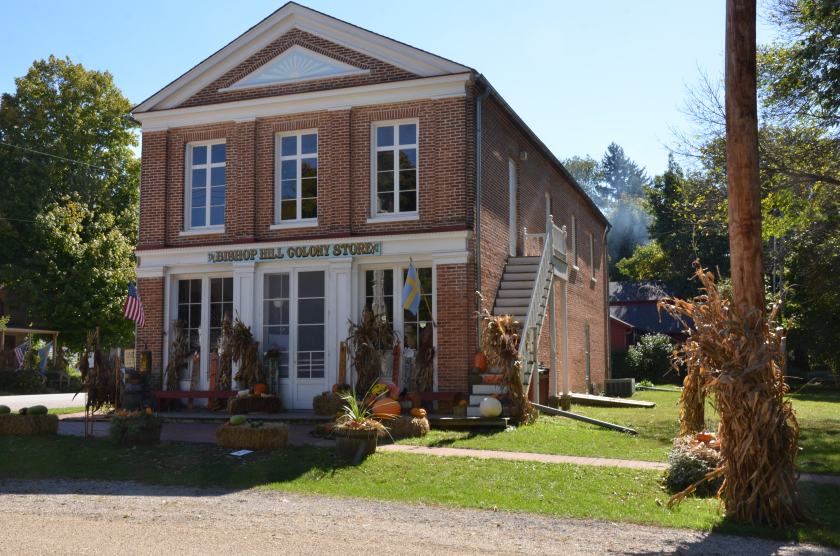
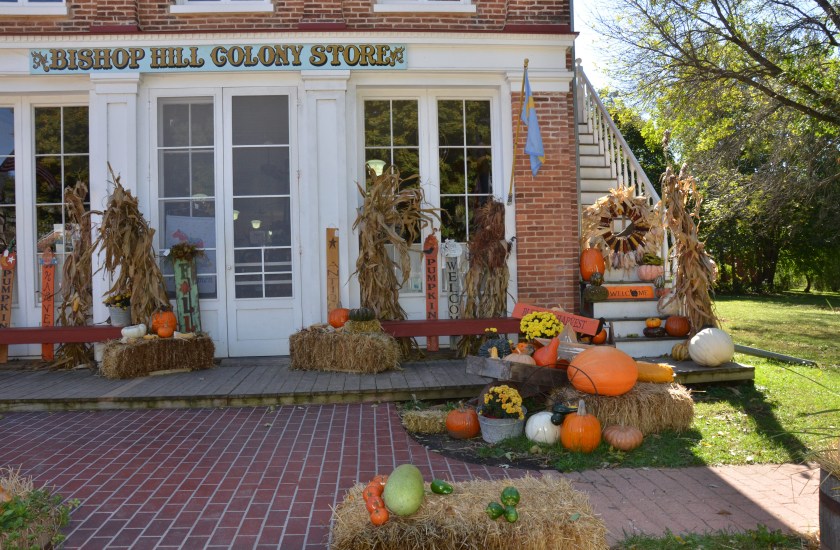
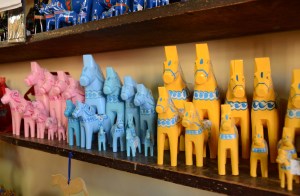
The Colony Store is a fun place to shop.  The aroma of coffee is wonderful as you enter the building. They have real Swedish food items, gourmet coffee beans, a candy counter, lots of gift ideas, and Dala horses in every color.

dsc_8152

dsc_8147

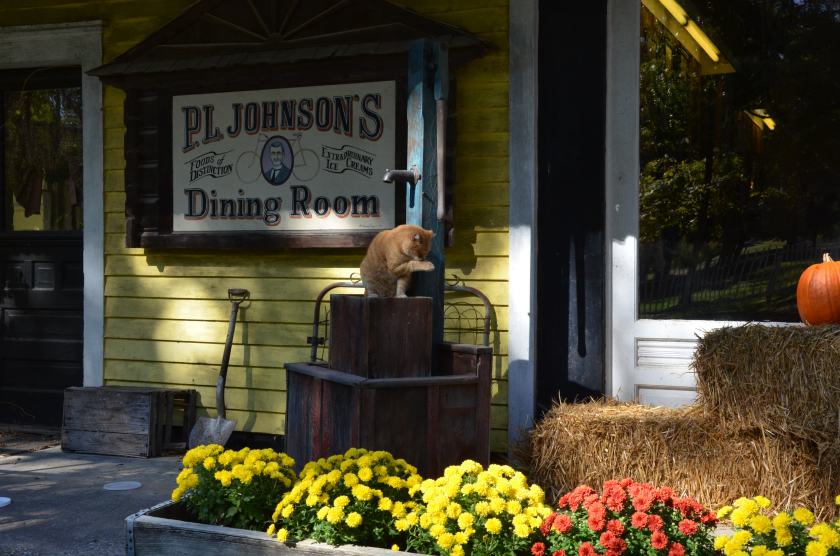
For lunch, try the Swedish meatballs at P.L. Johnson’s Dining Room, and the rye bread pudding for dessert.  They’re both delicious!  And the resident kitties will greet you at the front door.

dsc_3853

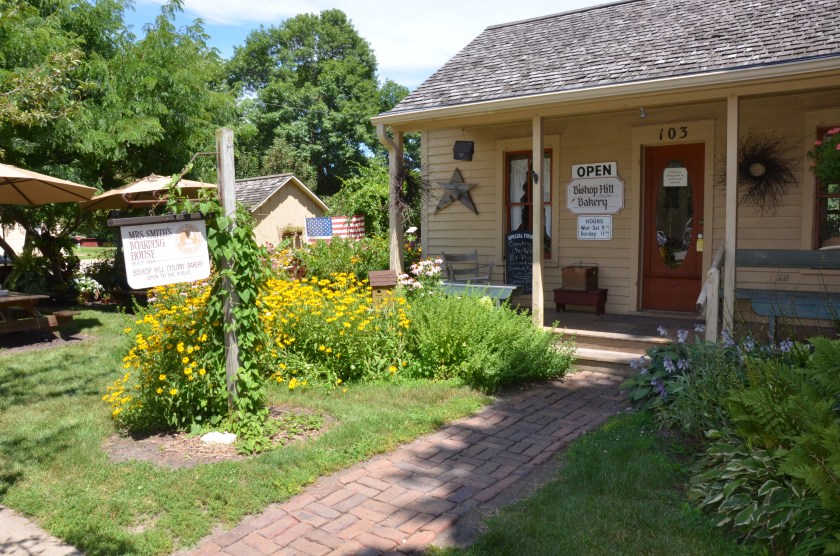
Another dining option is the Bishop Hill Bakery.  Their spinach bisque is excellent, in addition to a great selection of baked goods and lingonberry iced tea and flavored coffees.

img_0510

The Bishop Hill motto is:  Expect Enchantment.  I would enthusiastically recommend a visit to this Utopia on the Prairie. There are plenty of festivals and events throughout the year to keep you coming back.  And they’re Cubs fans!

dsc_8135

Brucemore, Cedar Rapids, Iowa

It was Downton Abbey, the popular PBS series, that led me to the Brucemore mansion in Cedar Rapids, Iowa.  Brucemore is on a list of estates to visit in the U.S. that are similar to Downton Abbey.  As a professed Anglophile, that seemed like a good reason for a drive to eastern Iowa.

img_0895

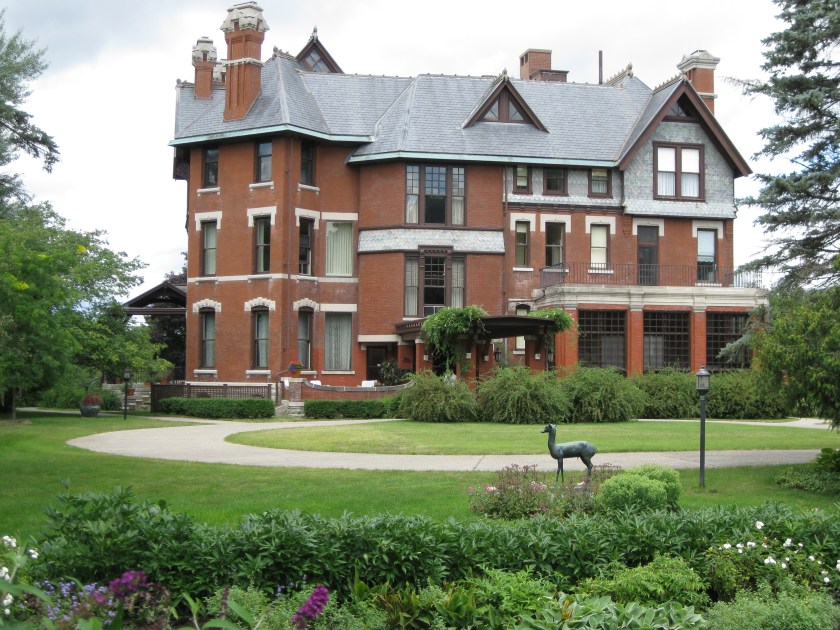
You learn through a guided tour that the history of Brucemore is really the story of three wealthy families.  Caroline Sinclair, a widow whose husband, Thomas, had made a fortune in the meat packing industry, completed the home in 1884.  In 1906, George and Irene Douglas became the new owners, and later their eldest daughter, Margaret, and her husband inherited the estate and lived there. The last two families were associated with the Quaker Oats Company.  (There is still a large Quaker Oats cereal mill in downtown Cedar Rapids.)

Some of the stories along the way were surprising.  The house itself was very Downton-Abbey-formal, to be sure, but the families who lived there preferred to be informal.  Kids roller skated in the halls and played ping-pong on the dining room table.

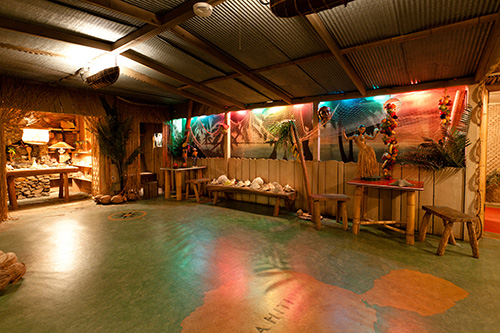
The last owner’s husband, Howard Hall, added a kitschy Tahitian Room and Grizzly Bar in the basement to entertain his business associates. He also kept pet lion cubs on the grounds and liked to wrestle with them for relaxation.

tahitian-room
Tahitian Room                        Credit:Brucemore Estate

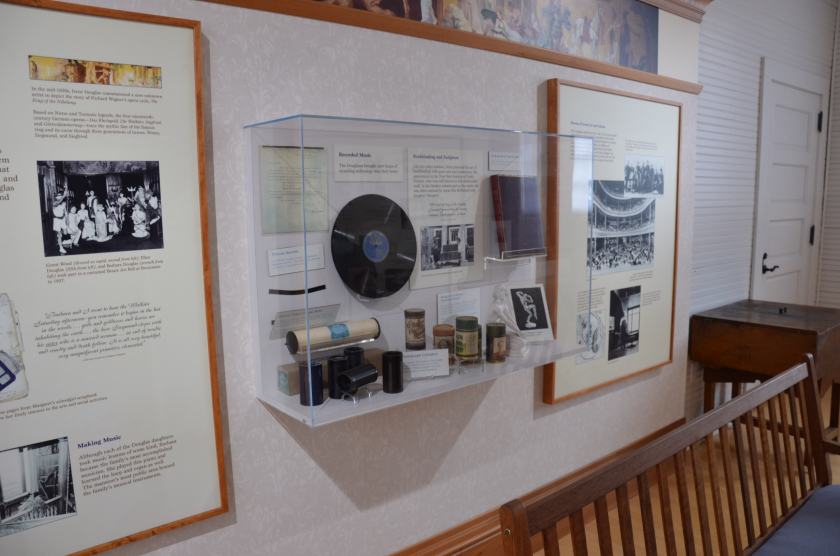
Another visual treat inside the house is some early work by Grant Wood.  Brucemore’s second owner, Irene Douglas, was active with the local arts organizations.  She knew Wood before his American Gothic fame when he was living and working in Cedar Rapids.  In 1925, Mrs. Douglas hired Wood to decorate the walls of her daughter’s sleeping porch.  His work is now considered the most important art in the home.

img_0883 The three families who occupied Brucemore for nearly 100 years were very generous to the community.  They contributed to the local arts, churches, Cedar Rapids’ Coe College, and numerous charities.  Margaret Douglas Hall was the last family member to live in the house and died in 1981. In her will, she donated Brucemore to the National Trust for Historic Preservation with the understanding that it would be a cultural center as well as a museum.

dsc_8555

The property covers 26 acres and includes several outbuildings.  A greenhouse was built in 1915 to provide fresh flowers for the mansion during the winter months in addition to bedding plants in the summer.  Beyond the greenhouse is a row of homes where the servants once lived.

dsc_8526

A 1927 Art Moderne swimming pool is an unexpected feature on the grounds.

img_0907 The carriage house is now an attractive Visitors’ Center.  It offers a gift shop and a museum with interesting displays of items from the Brucemore families.
dsc_8511

img_0891

Before you leave, be sure to take a walk through the gardens and pond area.  You’ll enjoy the grounds as much as the house.


Bonus stop:  Louis Sullivan Jewel Box Bank

dsc_8460

Noted architect Louis Sullivan designed eight small banks in the Midwest during the early 1900s.  They were nicknamed “Jewel Box” banks because of their compact size and ornamentation.

dsc_5722

The second of Sullivan’s eight banks is located in downtown Cedar Rapids, at 101 Third Avenue, SW.  It served as a bank until 2008, when flooding damaged the interior and closed it.  Today it is a restaurant, Popoli, and respectfully preserved.

dsc_5717

The former vault is a private dining room.  It can seat up to eight people and is a popular spot in the restaurant.

Cedar Rapids has culture, history, and art to enjoy.  And it was Grant Wood’s home for several years.  More on that in a future post!